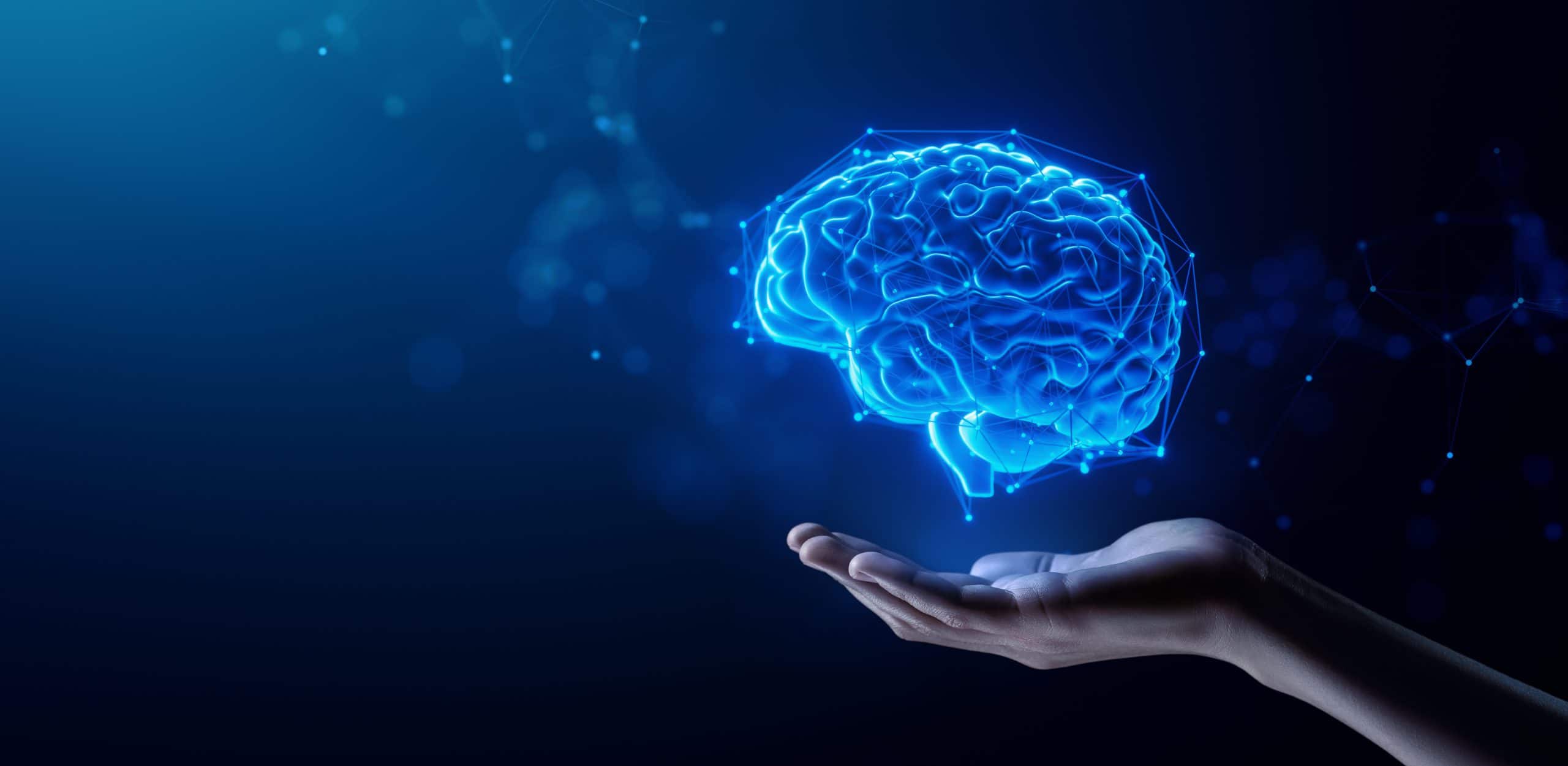
You don’t have to be a neuropsychologist to understand why kids (and adults) do the things they do but a little knowledge of brain science can help. There are three major parts of the brain that impact our learning and behavior:
The Brain Stem
The brain stem is responsible for basic life functions we dn’t even have to think about like breathing and heartbeat.
The Amygdala
The amygdala is the brains’ emotional center responsible for our flight, fright, or freeze reactions.
The Prefrontal Cortex
The prefrontal cortex is where higher order learning occurs like planning, organizing, reflection, and reasoning. The prefrontal cortex grows throughout childhood and isn’t completely finished well into our mid-twenties. Note: For males, it usually takes longer than females for the prefrontal cortex to finish growing. Learning occurs in the brain when we build neural pathways between brain cells in the prefrontal cortex and other parts of the brain.
Putting It All Together
All of us do our best learning when we engage our prefrontal cortex; however, when we experience stress, trauma, or anything that can cause the amygdala to be triggered, our biological reactions to perceived threats kick in, our body and brain focuses on survival instincts, and our ability to think clearly goes out the window. This is known as the “amygdala hijack.”
Teaching staff and students who the brain works empowers them to take greater control of their learning and behavior. Developing specific skills can strengthen neural pathways, calm the amygdala, and activate the prefrontal cortex through simple strategies such as deep breathing and mindfulness exercises. This approach also reduces the stigma around learning and behavioral challenges by showing that all behavior has a biological basis. Evidence-based programs, such as Mind-Up, draw on brain development research to help students – even preschoolers – become more effective learners who better manage their emotions.