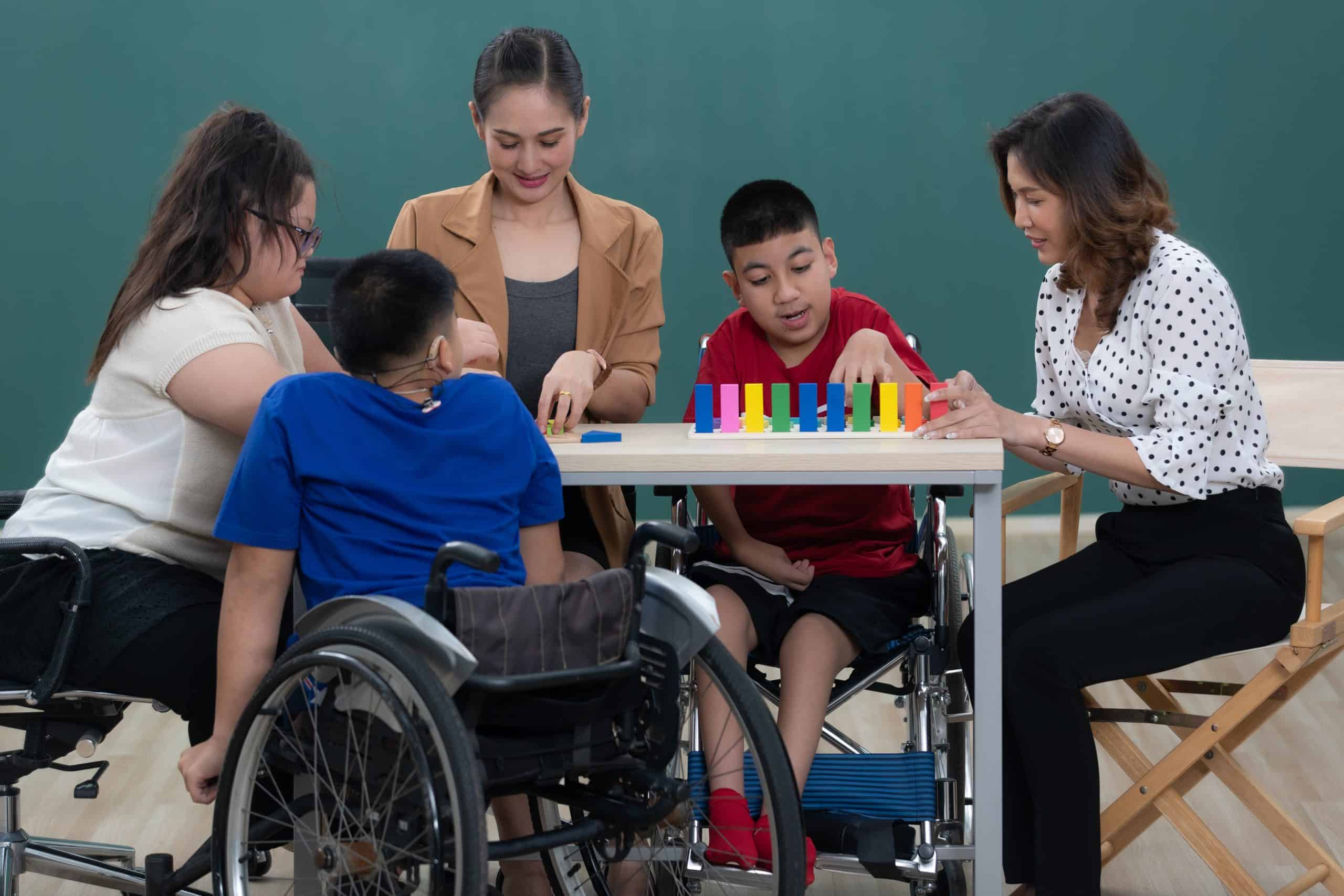
Strong Tier I behavior support is mostly about what adults do to set every student up to succeed.
Tier I behavior support is the foundation every student experiences, every day, in every classroom. When it is strong, more students thrive with universal support alone, and teams can see early which students would benefit from something more. A synthesis of classroom management research (Simonsen et al., 2008) and the Center on PBIS guide for educators (2022) point to the same core practices. Here are five to focus on.
1. Define and teach a few positive expectations
Choose three to five positively stated expectations, define them with students, and teach them like any other skill, connected to real routines such as arrival, transitions, and group work. When expectations are taught and practiced, every student has a fair chance to show what they can do.
2. Build predictable routines and a safe environment
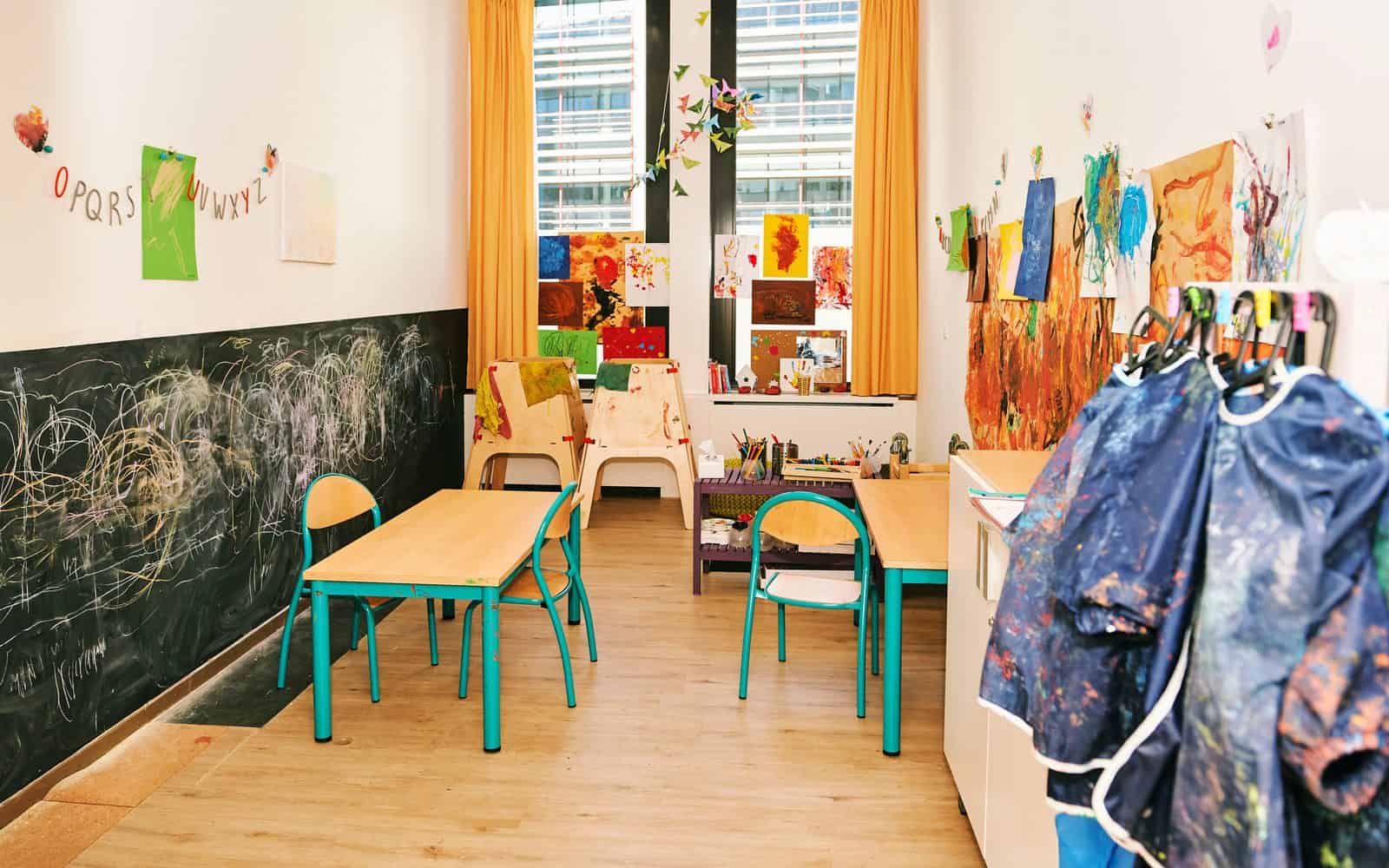
Arrange the room, schedule, and transitions so students know what to do and when. Predictability frees students to focus on learning, and it helps students who experience stress or anxiety feel safe and ready to engage.
3. Establish positive connections from the first minute
In a randomized study in middle schools, teachers who greeted students positively at the door saw significant gains in academic engaged time and fewer classroom disruptions (Cook et al., 2018). It takes seconds and tells every student they belong.
4. Prompt often and give specific feedback
Frequent opportunities to respond (answer, write, show) keep students engaged and let them show what they know. Pair them with behavior-specific praise that names what the student did (“You started right away and used the checklist”). The Center on PBIS recommends at least five positive acknowledgments for every correction.
5. Treat missteps as chances to learn
When a student’s behavior misses the mark, respond with brief, private, specific reteaching, the same way you would support a student learning a new math skill. Calm, respectful responses keep the relationship intact and the student in the learning.
An equity check
Look at who receives praise, who receives redirection, and who is sent out of class, paying close attention to students of color, students with disabilities, and students who are multilingual learners. Practices work for everyone when they are applied consistently, and expectations built with students and families reflect and honor every student’s culture, language, and experience (Center on PBIS, 2022).
Try this week
Pick one practice. Take a quick baseline (for example, count your praise and redirection statements during a 15-minute lesson), use the practice for a week, and count again.
For school-based BCBAs: join Dr. Vanessa Douglass-Tucker’s November 19 CEU webinar, School Is Not the Clinic.
References
- Barrish, H. H., Saunders, M., & Wolf, M. M. (1969). Good behavior game: Effects of individual contingencies for group consequences on disruptive behavior in a classroom. Journal of Applied Behavior Analysis, 2(2), 119–124.
- Center on PBIS. (2022). Supporting and responding to students’ social, emotional, and behavioral needs: Evidence-based practices for educators (Version 2). University of Oregon.
- Cook, C. R., Fiat, A., Larson, M., Daikos, C., Slemrod, T., Holland, E. A., Thayer, A. J., & Renshaw, T. (2018). Positive greetings at the door: Evaluation of a low-cost, high-yield proactive classroom management strategy. Journal of Positive Behavior Interventions, 20(3), 149–159.
- Simonsen, B., Fairbanks, S., Briesch, A., Myers, D., & Sugai, G. (2008). Evidence-based practices in classroom management: Considerations for research to practice. Education and Treatment of Children, 31(3), 351–380.