The Problem with the Term “Behavior”
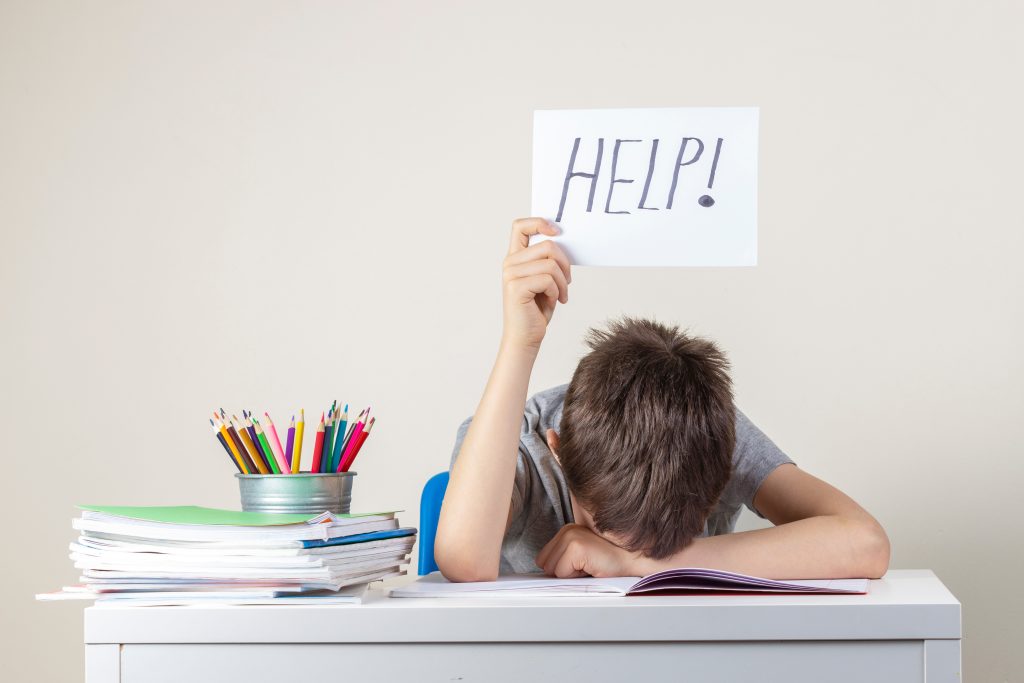
We’ve all done it: when describing a certain student, we’ve used the term “behavior kid” or when referring to a certain classroom, we’ve labeled it , “the behavior classroom”. It typically is used as a short hand for behavior problem and it typically is considered pejorative.
But the actual definition of behavior is more neutral; Behavior is what organisms do. Behavior in its purest sense is neither good or bad; it is the way one acts. It is not a malady, disease or social/moral malfunction within the student. There are certain behaviors that are commonly associated with certain disorders of the brain or that result from social situations like trauma. But when we use the term, “behavior” to refer to a student, classroom or incident, we are adding a label and it may cause us to take unhelpful shortcuts in our thinking and problem solving for students.
We all know that there are some behaviors that are unacceptable in school settings. Typically those are behaviors that are unsafe to the student or others or that are ineffective, not useful or unsuccessful. By using these terms, we can open ourselves to exploring other ways to help a student.
Most behaviors serve a function and meeting some need. Understanding the function of a student’s behavior can help us figure out the disconnect between their behavior and how they can get their needs met in a more effective manner. Conducting a Functional Behavior Analysis (FBA) is a formal way of doing this and it’s the foundation of building a positive behavior support plan for students with 504 plan or IEPS. But you can use some of the same strategies to help you develop interventions for all students. For more information about Functional Behavior Assessment go to The Iris Center’s webpage, “How educators determine why students are engaging in these behaviors?”
Resources
Functional Behavioral Assessment: Identifying the Reasons for Student Behavior